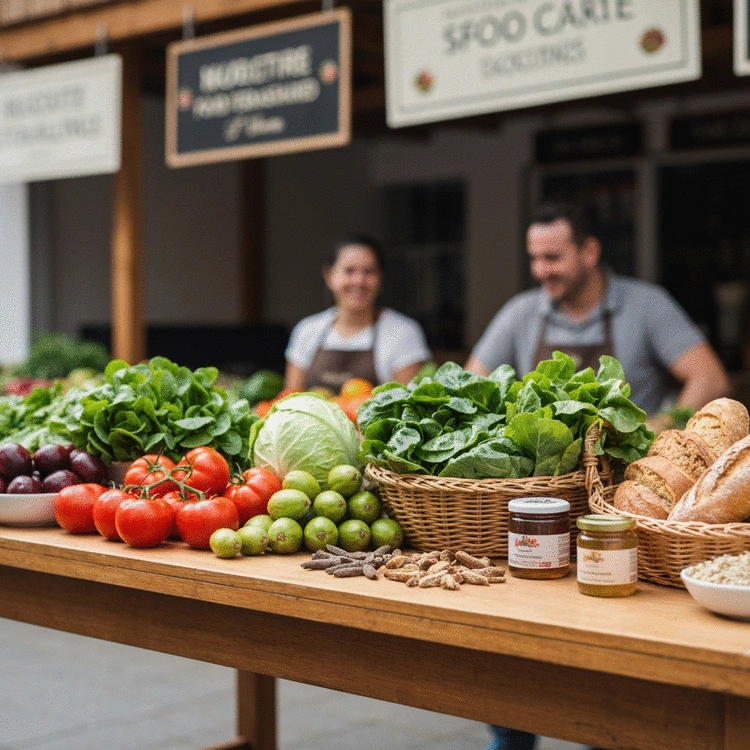

What if your next meal could tell you the story of a culture, a tradition, or a community? Local food markets provide a unique opportunity to connect with the flavors and histories that define a region, turning every visit into a culinary adventure.
What You Will Learn
- Local food markets support small-scale farmers and strengthen community ties.
- These markets serve as platforms for cultural exchange, showcasing unique culinary traditions.
- Visiting food markets allows for immersive experiences with seasonal produce and traditional recipes.
- Community-Supported Agriculture (CSA) programs enhance consumer connection to local food systems.
- Engaging with local food communities fosters friendships and enriches culinary knowledge.
- Supporting local markets promotes sustainability by reducing carbon footprints and encouraging seasonal eating.
The Core Pillars of Local Food Markets
Local food markets are vibrant hubs that play a crucial role in communities, fostering economic support, cultural exchange, and social connections. They reflect authentic flavors and traditions while promoting sustainability. Below, we highlight their multifaceted impact.
Economic Support & Sustainability
Stimulates local economies by keeping money within the community and fostering a resilient food system.
Cultural Exchange & Authentic Flavors
Platforms for sharing unique culinary traditions, traditional recipes, and local artisan products.
Social Connections & Engagement
Foster relationships among residents, creating networks of support, friendship, and shared purpose.
Culinary Heritage & Exploration
Immersive experiences through tastings, workshops, and storytelling, deepening cultural understanding.
Understanding Local Food Markets and Their Cultural Significance
Exploring local food markets can feel like stepping into a vibrant tapestry of culture, history, and community. These markets serve as a reflection of the local character, where flavors tell stories and ingredients embody traditions. As I wander through bustling aisles filled with fresh produce and aromatic spices, I often think about the essential role these markets play in connecting people to their roots and each other.
At Cultural Journeys, we believe that understanding the significance of these markets enhances not only our travel experiences but also our appreciation for the places we visit. They are much more than just shopping venues; they are communal gathering spots where relationships are formed, stories are shared, and culinary heritage is preserved.
The Role of Food Markets in Local Communities
Food markets are vital to the health and vibrancy of local communities. They provide a space for small-scale farmers and artisans to showcase their products, fostering a sense of community support and sustainability. Here are some key roles food markets play:
- Economic Support: Local markets stimulate the economy by keeping money within the community. For more information on this, the USDA Economic Research Service provides extensive data on local food systems.
- Cultural Exchange: They serve as platforms for cultural exchange, where vendors share their unique culinary traditions.
- Social Connections: These markets foster relationships among residents, creating a network of support and friendship.
When I visit a food market, I’m always struck by the mix of familiar and new. The scent of fresh herbs mingling with the sound of laughter makes every visit a delightful experience, highlighting how these spaces unite people over shared passions for food and community.
How Food Markets Reflect Authentic Flavors and Traditions
Every local food market is a window into the region's culinary soul, showcasing the authentic flavors and traditions that define the area. From spicy street food to artisan cheeses, these markets reflect what the community values most. Here are a few ways they embody local culture:
- Seasonal Produce: Markets often feature fresh, seasonal ingredients, encouraging consumers to eat in harmony with nature.
- Traditional Recipes: Vendors frequently share time-honored recipes that have been passed down through generations.
- Local Artisans: Many markets highlight local artisans who create unique products that tell the story of their origins.
As I savor the flavors found in these markets, I can't help but feel a deep connection to the culture they represent. It's more than just food; it's a celebration of heritage, identity, and community.
Exploring Culinary Heritage Through Local Food Markets
Visiting food markets allows us to explore the culinary heritage of a place in a truly immersive way. Each stall and vendor often has a unique story that connects them to the community. Here are some experiences that bring culinary heritage to life:
- Tastings and Samples: Trying different dishes gives us a sense of the local flavors and cooking styles.
- Workshops and Classes: Many markets offer cooking classes or workshops, allowing visitors to learn traditional cooking techniques.
- Storytelling: Engaging with vendors often reveals fascinating backstories that enrich our understanding of their products.
For me, these experiences are truly memorable. They transform a simple visit into an enriching journey of discovery, where each bite is a lesson in history and culture. There's nothing quite like the joy of culinary exploration in a local food market!
Pro Tip
When visiting a local food market, take the time to interact with the vendors. Ask them about their products, traditional recipes, and the stories behind their offerings. This not only enriches your experience but also supports local artisans and farmers, strengthening the community ties that make these markets so special.
Frequently Asked Questions About Local Food Markets
What are the main benefits of supporting local food markets?
Local food markets offer numerous benefits, including economic support for small-scale farmers, cultural exchange through diverse culinary traditions, and strengthening social connections within the community. They also promote sustainability and seasonal eating.
How do local food markets contribute to cultural exchange?
These markets serve as vibrant platforms where vendors share unique culinary traditions, traditional recipes, and locally crafted artisan products. Visitors can experience authentic flavors and learn about the heritage of a region directly from the producers.
What is Community-Supported Agriculture (CSA) and why is it important?
CSA programs allow consumers to directly support local farmers by purchasing shares of their harvest. This creates a direct connection between consumers and producers, ensures access to fresh, seasonal produce, and fosters a sense of community involvement while promoting sustainable farming practices.
How can I engage more deeply with local food communities?
You can engage by joining a CSA, volunteering at food markets, attending workshops or cooking classes offered by vendors, and sharing your market discoveries on social media or through blogging. These activities help to build lasting friendships and enrich your culinary knowledge.
What is gastronomic tourism?
Gastronomic tourism involves exploring different cultures through their food. It often includes food tours led by local guides, tastings of a variety of cuisines, and hands-on experiences like cooking classes, all aimed at deepening cultural understanding through culinary exploration.
Reflecting on the Joy of Local Food Markets
Visiting local food markets is like stepping into a vibrant tapestry of culture, where each authentic flavor tells a story. The joy of experiencing the seasonal fruits, artisanal cheeses, and freshly baked breads is a celebration of tradition. As I wandered through markets around the globe, I’ve found that these spaces are not just about buying food; they are about savoring the essence of a community.
Every stall and vendor brings their unique heritage, inviting visitors to taste the rich traditions that have been passed down through generations. Have you ever felt the thrill of discovering a dish that sparks a memory of a meal shared with loved ones? That’s the magic of local food markets!
The Delight of Authentic Flavors and Traditions
Food markets offer a delightful array of tastes that reflect the local culture. Here are some reasons why these markets are so special:
- Fresh Ingredients: You can taste the difference when produce is harvested at its peak.
- Local Recipes: Vendors often share family recipes, giving you a taste of history. For further insight into local market data and trends, the USDA National Agricultural Statistics Service provides valuable resources.
- Cultural Exchange: Markets are melting pots where diverse culinary traditions meet.
Engaging with these vibrant flavors allows you to connect with the heart of a region. It’s a reminder that food is not just sustenance; it’s a narrative of place and people.
Encouraging a Sustainable Food Culture Through Market Support
Supporting local food markets promotes sustainability by encouraging the use of local ingredients and reducing carbon footprints. When we choose to buy from local vendors, we help foster a resilient food system that thrives on community support. Here are a few ways we can encourage sustainability:
- Shop Seasonally: Consume what’s in season to reduce waste and support local farmers.
- Connect with Farmers: Understand their practices and choose those who prioritize sustainability.
- Participate in Community Events: Engage in initiatives that promote local produce and cuisine.
By making conscious choices at food markets, we can all contribute to a healthier planet and enjoy the delicious fruits of our efforts!
The Impact of Community-Supported Agriculture (CSA) on Local Food Movements
Community-Supported Agriculture (CSA) programs are revolutionizing the way we interact with food markets. These initiatives allow consumers to directly support local farmers by purchasing shares of their harvest. Here’s why CSAs are impactful:
- Direct Connection: You get to know the farmers and their practices.
- Fresh Produce: Enjoy seasonal vegetables and fruits straight from the field.
- Community Involvement: Being part of a CSA fosters a sense of belonging and shared purpose.
In my journey with Cultural Journeys, I’ve seen how CSAs not only provide fresh food but also enrich communities. They empower individuals to take part in the local food movement and create sustainable practices that benefit everyone.
Get Involved: Plan Your Next Food Market Adventure
Now that you’ve learned about the joy and significance of local food markets, it’s time to dive in and explore! Planning your next food market adventure can be both exciting and rewarding.
Share Your Experiences and Discoveries with Others
After visiting a local market, don’t keep the treasures to yourself! Share your experiences with friends and family or on social media. Here’s how you can do it:
- Social Media Posts: Share photos and stories about your favorite finds.
- Blogging: Start a blog or write articles about your culinary adventures.
- Community Events: Host a potluck with dishes inspired by your market discoveries.
Sharing your journey not only enriches your own experiences but also inspires others to seek authentic food adventures!
Join Local Food Communities for Ongoing Engagement
Getting involved in local food communities can deepen your appreciation for food culture. These groups often host events, workshops, and tastings. Consider the following:
- Join a CSA: Stay connected with local farmers and their harvests.
- Volunteer: Many food markets welcome volunteers to assist with events and operations.
- Attend Workshops: Take cooking classes or participate in food preservation workshops.
Engaging with these communities will not only enhance your knowledge but also create lasting friendships centered around a shared love for food.
Exploring Gastronomic Tourism: A Guide to Cultural Food Tours
Gastronomic tourism offers a unique way to explore different cultures through their food. When planning your next adventure, consider joining a food tour. Here’s what to look for:
- Local Guides: Choose tours led by locals who know the area’s hidden gems.
- Variety of Tastes: Ensure the tour includes a range of cuisines and experiences.
- Hands-On Experiences: Look for tours that offer cooking classes or tastings.
As you embark on these culinary journeys, remember that food is a bridge to understanding different cultures. So, roll up your sleeves and get ready to taste the world!
Recap of Key Points
Here is a quick recap of the important points discussed in the article:
- Economic Support: Local food markets stimulate the economy by supporting small-scale farmers and keeping money within the community.
- Cultural Exchange: These markets facilitate cultural exchange, allowing vendors to share their unique culinary traditions.
- Social Connections: Food markets foster relationships among residents, creating networks of support and friendship.
- Seasonal Produce: Markets promote the use of fresh, seasonal ingredients, encouraging consumers to eat in harmony with nature.
- Community Involvement: Participate in community events and initiatives to promote local produce and cuisine.
- Engagement with Vendors: Interacting with vendors enriches the experience and reveals the stories behind their products.
- Support Community-Supported Agriculture (CSA): CSAs connect consumers directly with local farmers and help foster a resilient food system.